
How to: Care for Houseplants During Winter
When temperatures drop and the days become shorter, there's nothing better than filling your home with beautiful greenery. Houseplants bring colour, freshness, and a touch of nature indoors, making even the coldest winter days feel brighter. But while your indoor plants are protected from frost and snow, winter can still be a challenging season for them.
Reduced sunlight, dry indoor air, and changes in temperature can all affect how your houseplants grow. The good news? With a few simple adjustments to your care routine, you can keep your favourite plants healthy, vibrant, and thriving throughout winter. Whether you're caring for a lush Monstera, a trailing Pothos, or a beautiful Peace Lily, these tips will help your indoor jungle flourish until spring arrives!
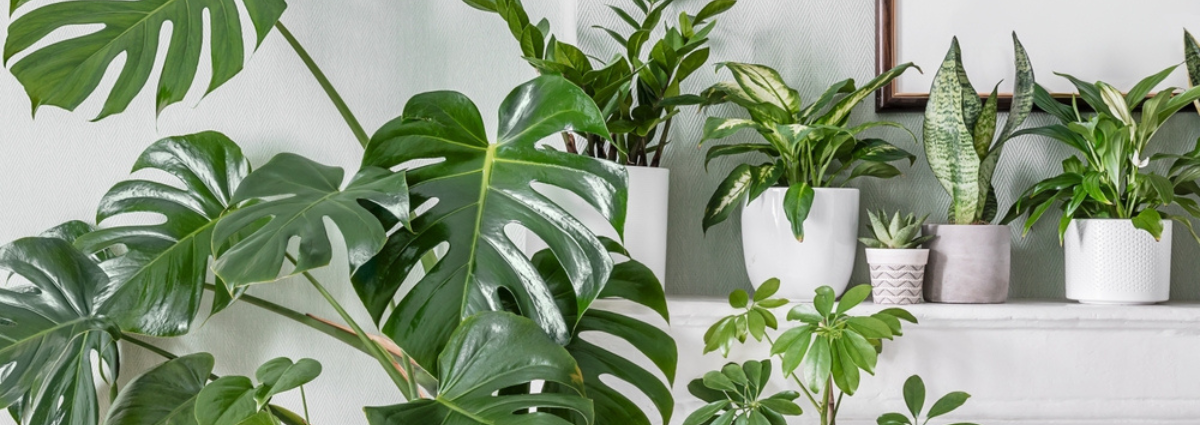
Understanding How Winter Affects Houseplants
Just like outdoor plants, houseplants respond to seasonal changes. During winter, shorter days mean less natural sunlight, which often causes plants to grow more slowly. Some houseplants enter a period of relative dormancy, while others simply reduce their growth until brighter days return.
Indoor heating can also create challenges. Warm, dry air can cause leaves to develop brown tips, while cold drafts from windows and doors may stress tropical plants.
Understanding these seasonal changes is the first step towards giving your houseplants exactly what they need.
Adjust Your Watering Routine
One of the most common mistakes during winter is overwatering. Because many houseplants grow more slowly, they generally need less water than they do during spring and summer.
Instead of following a strict watering schedule, check the soil before reaching for your watering can.
Here are a few simple tips:
- Check the soil moisture: Insert your finger a few centimetres into the soil. If it still feels moist, wait before watering.
- Use room-temperature water: Very cold water can stress sensitive tropical plants.
- Avoid standing water: Make sure pots have drainage holes and empty excess water from saucers.
- Consider the plant variety: Succulents and cacti usually need much less water than tropical plants such as Peace Lilies and Ferns.
- Watch your plants: Drooping or yellowing leaves can indicate watering problems, so always check the soil before adding more water.
Remember, it's usually better to check your plants regularly than to water them automatically.
Make the Most of Natural Light
Sunlight is essential for healthy plant growth, but winter's shorter days can make it difficult for houseplants to receive enough light.
Consider moving light-loving plants closer to bright windows, where they can benefit from the available daylight. However, avoid placing sensitive foliage directly against cold windowpanes.
Some houseplants are particularly well suited to lower-light conditions, including:
- Snake Plant: A hardy favourite that tolerates lower light and requires relatively little maintenance.
- ZZ Plant: Known for its glossy green leaves and ability to cope with less sunlight.
- Pothos: A beautiful trailing plant that adapts well to a range of indoor lighting conditions.
- Peace Lily: Appreciates bright, indirect light but can tolerate lower-light areas.
- Philodendron: A popular choice for adding lush greenery to indoor spaces.
If your home receives very little natural light during winter, a suitable LED grow light can provide additional support.
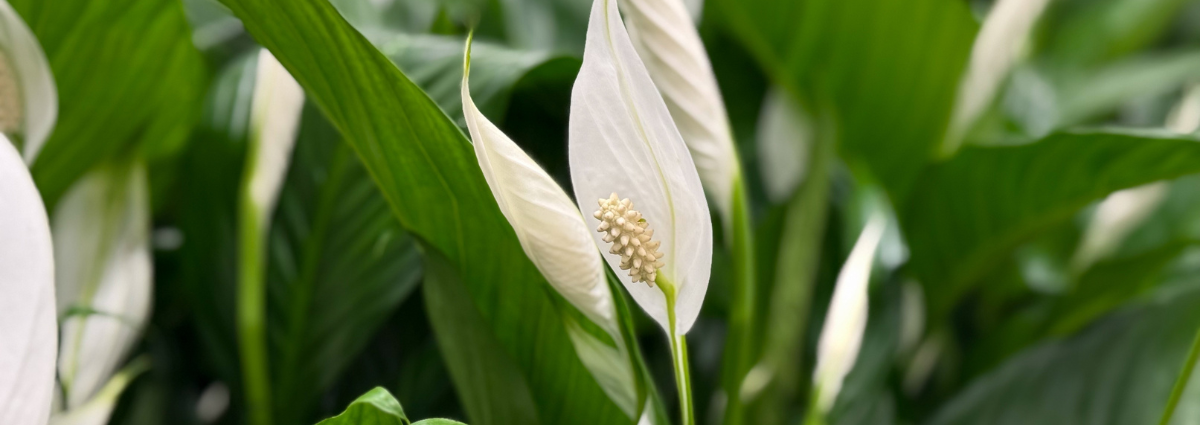
Protect Your Plants from Dry Indoor Air
Central heating keeps our homes warm and comfortable, but it can also make indoor air surprisingly dry. Many tropical houseplants naturally prefer higher humidity levels, so winter heating can lead to crispy leaf edges and brown tips.
Plants such as Calatheas, Ferns, Monsteras, and Peace Lilies may appreciate additional humidity.
To help your plants feel more comfortable:
- Group tropical houseplants together to create a slightly more humid microclimate.
- Use a humidifier to maintain comfortable humidity levels.
- Keep plants away from radiators and heating vents.
- Place humidity-loving plants in naturally more humid rooms, provided they receive enough light.
- Monitor humidity with a small indoor hygrometer.
A humidifier is generally more effective than occasional misting, which only increases humidity briefly.
Keep Temperatures Consistent
Most tropical houseplants prefer stable indoor temperatures. Sudden changes can cause stress, leaf drop, or slowed growth.
Try to keep your plants away from cold drafts, frequently opened exterior doors, and direct blasts of hot air from heating systems.
Plants such as Ficus, Rubber Plants, and Calatheas can be particularly sensitive to temperature fluctuations.
If you keep houseplants on windowsills, check whether the area becomes significantly colder overnight. Moving plants slightly away from the glass may help protect their foliage.
Reduce Fertilizing During Winter
During the warmer months, houseplants often benefit from regular feeding to support active growth. However, their nutritional requirements usually decrease during winter.
Because many plants grow more slowly, excessive fertilizer can lead to salt buildup in the soil and potentially damage the roots.
For most houseplants, it's best to reduce or pause fertilizing until active growth resumes in spring. Plants growing vigorously under supplemental lighting may still benefit from occasional feeding.
When spring arrives and you notice fresh leaves appearing, you can gradually return to your regular fertilizing routine.
Keep Leaves Clean and Healthy
Dust naturally collects on houseplant leaves, especially during winter when windows are often closed and indoor heating is running.
A thick layer of dust can reduce the amount of light reaching the leaves, making it harder for plants to photosynthesize efficiently.
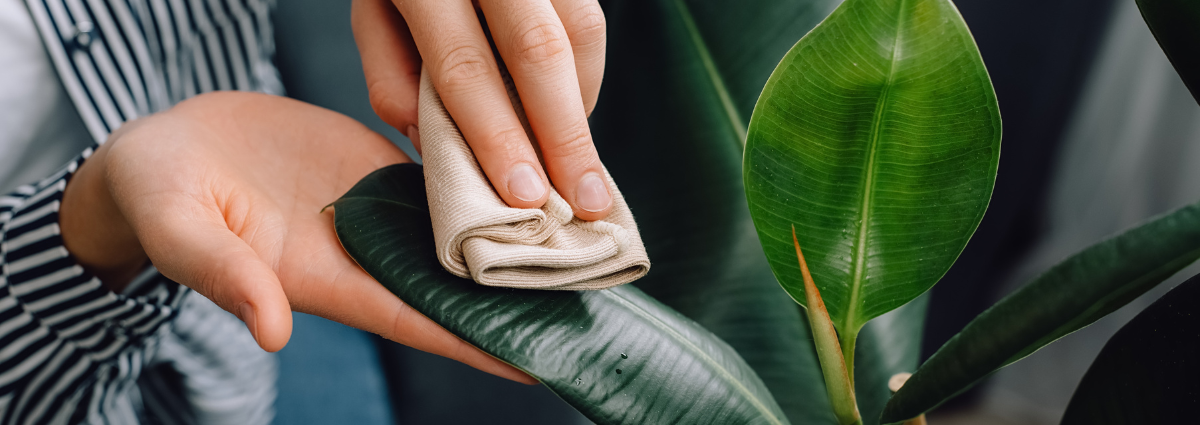
Gently wipe larger leaves with a soft, damp cloth to remove dust and restore their natural shine.
Plants such as Monsteras, Rubber Plants, and Fiddle Leaf Figs particularly benefit from occasional leaf cleaning.
For plants with delicate or fuzzy foliage, use a soft brush instead of wiping with water.
Winter is also a good time to inspect your plants for common indoor pests such as spider mites, mealybugs, and scale insects. Catching problems early makes them much easier to manage.
Avoid Repotting Unless Necessary
Although winter is a wonderful time to enjoy your indoor garden, it isn't always the best season for major plant maintenance.
Many houseplants recover more slowly from repotting during periods of reduced growth. Unless a plant is severely root-bound, experiencing root problems, or growing in unsuitable soil, consider waiting until spring.
Once daylight increases and new growth begins, plants are generally better equipped to establish themselves in fresh potting mix.
You can still remove dead or damaged leaves and perform light maintenance throughout winter.
Add Some Winter Colour with Flowering Houseplants
Who says winter has to be all about green leaves? Some houseplants produce beautiful flowers during the colder months, bringing a welcome splash of colour into your home.
Consider adding these seasonal favourites to your collection:
- Christmas Cactus: Known for its colourful blooms and beautiful trailing stems.
- Cyclamen: Produces delicate flowers in shades of pink, red, purple, and white.
- African Violet: A compact flowering plant that can bloom indoors throughout the year with proper care.
- Orchids: Phalaenopsis orchids can produce elegant flowers that last for weeks or even months.
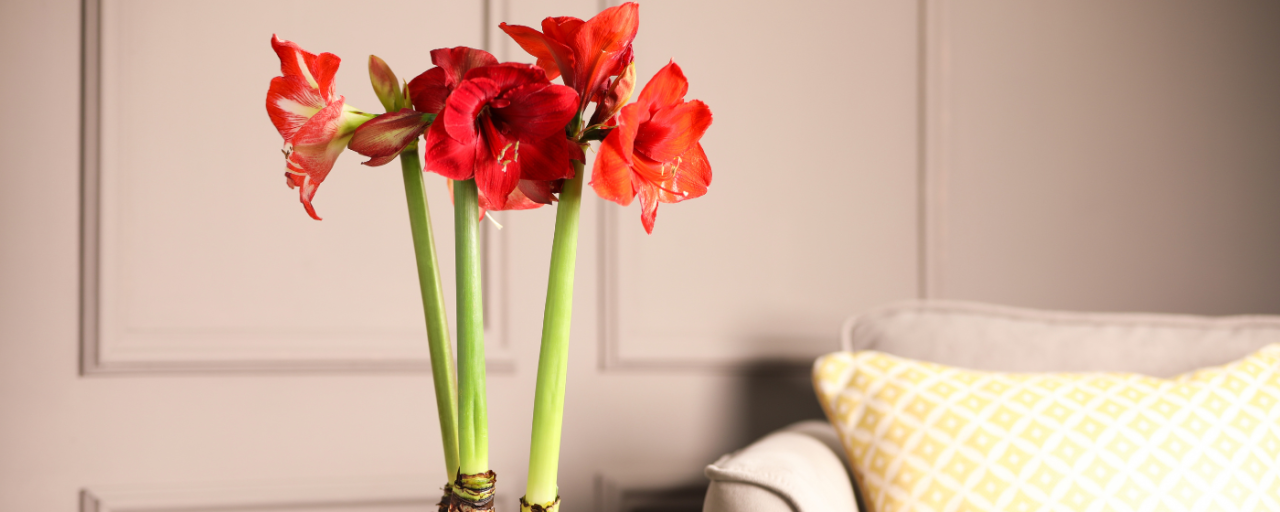
- Amaryllis: A spectacular flowering bulb that creates a stunning indoor display during winter.
These plants make wonderful additions to windowsills, tables, and indoor plant displays, adding colour and personality when the outdoor garden is resting.
Enjoy Your Indoor Garden All Winter Long
Winter houseplant care doesn't have to be complicated. By adjusting your watering routine, making the most of natural light, maintaining comfortable humidity levels, and protecting plants from temperature extremes, you can help your indoor greenery stay healthy throughout the colder months.
Take time to observe your plants and enjoy their individual characteristics. From the glossy leaves of a Rubber Plant to the beautiful patterns of a Calathea, every houseplant brings something special to your home.
And remember, slower growth during winter is completely natural. With a little patience and the right care, your plants will be ready to burst into fresh growth when spring returns.