
How to Guide: How to Create a Pollinator Garden
A pollinator garden is one of the most rewarding spaces you can create in your yard. Not only does it bring colour, life, and movement to your garden, it also provides essential food and shelter for bees, butterflies, hummingbirds, and other beneficial insects. These pollinators play a crucial role in helping plants produce fruits, vegetables, and seeds, making them vital for healthy ecosystems—and productive gardens.
Creating a pollinator-friendly garden doesn’t require a huge space or complicated design. With the right plants, thoughtful planning, and a little patience, you can transform even a small corner of your yard into a buzzing haven full of life.
1. Choose a Sunny Location
Most pollinator-friendly plants thrive in sunny conditions, and pollinators themselves love warmth and light. When choosing a spot for your pollinator garden, look for an area that receives at least six hours of sunlight per day.
If you’re working with limited space, don’t worry—pollinator gardens can flourish in:
- Raised beds
- Borders along fences or pathways
- Container gardens on patios or balconies
The key is creating a welcoming area where flowers can grow freely and pollinators can easily access them.
2. Plant a Variety of Flowers
Pollinators are attracted to diversity. The more variety of plants and flower shapes you include, the more species you’ll attract.
Aim for a mix of:
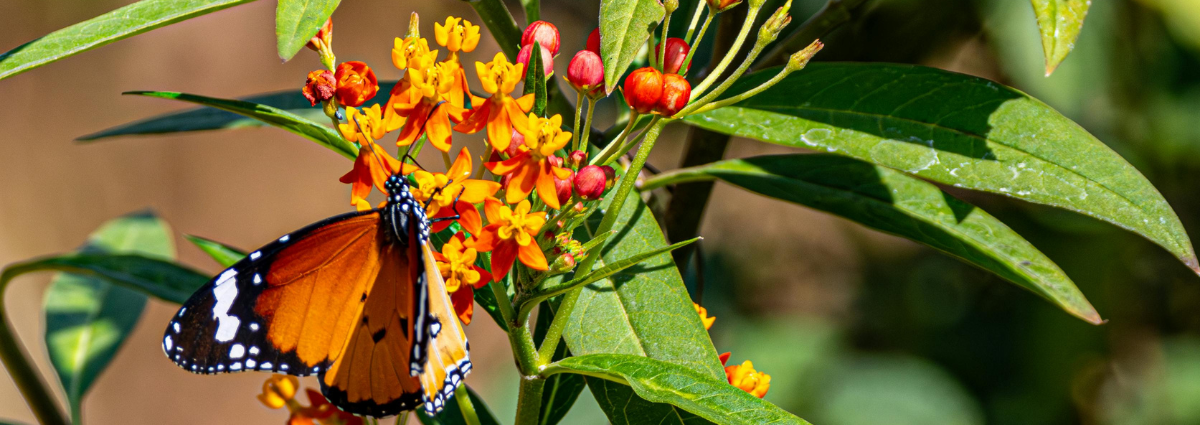
- Different colours – Bees often prefer blue and purple flowers, while butterflies are drawn to bright reds, oranges, and pinks.
- Different shapes – Some pollinators prefer open flowers, while others feed from tubular blooms.
- Different heights – Layering plants creates a richer habitat.
Popular pollinator-friendly plants include:
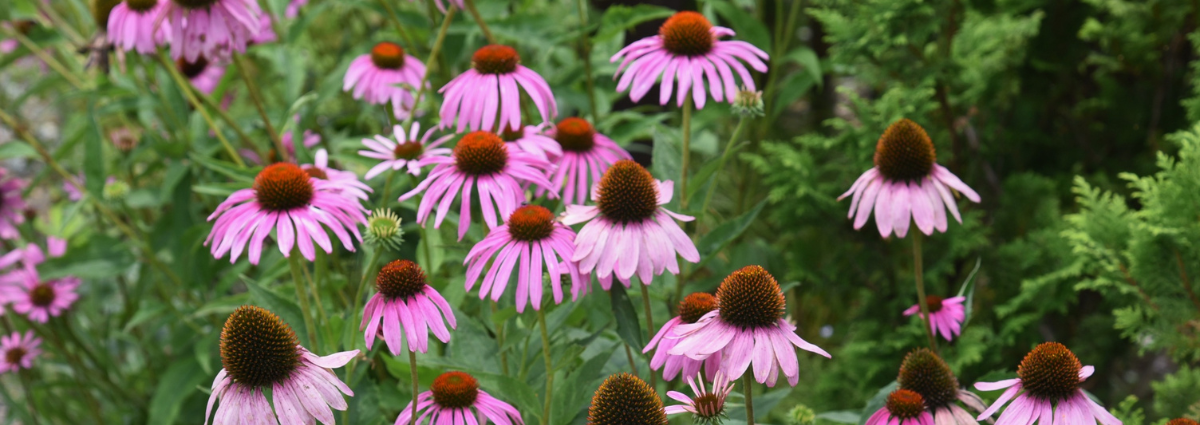
- Coneflowers
- Bee balm
- Milkweed
- Black-eyed Susans
- Lavender
- Sunflowers
Planting in clusters rather than scattered individual plants makes it easier for pollinators to find and feed efficiently.
3. Plan for Continuous Blooms
A truly successful pollinator garden provides nectar and pollen from early spring through late autumn.
When selecting plants, think about bloom timing:
- Early season bloomers support pollinators emerging from winter.
- Mid-season flowers provide abundant summer nectar.
- Late-season blooms help pollinators store energy before colder weather arrives.
By staggering flowering periods, you ensure your garden remains a reliable food source throughout the growing season.
4. Include Native Plants
Native plants are especially valuable in pollinator gardens because local insects and wildlife have evolved alongside them. These plants are often easier to grow, better adapted to local conditions, and highly attractive to native pollinators.
Benefits of native plants include:
- Better survival in local climate conditions
- Less need for watering and fertilisers
- Strong support for local biodiversity
Even adding a few native species to your garden can significantly boost its value to pollinators.
5. Provide Water Sources
Pollinators need water just like any other living creature. However, they prefer shallow, safe drinking spots rather than deep containers.
You can create simple pollinator water sources by:
- Placing shallow dishes filled with pebbles and water
- Adding a birdbath with stones where insects can land
- Allowing a small muddy patch where butterflies can gather minerals
Keep the water fresh and refill regularly during warm weather.
6. Avoid Pesticides
Many chemical pesticides and insecticides harm pollinators, even when used in small amounts. A pollinator garden should be a safe refuge where beneficial insects can thrive.
Instead of chemical controls:
- Encourage natural predators like ladybugs and lacewings
- Use physical barriers such as row covers if needed
- Hand-remove pests when possible
Healthy gardens often develop their own natural balance when pollinators and beneficial insects are present.
7. Provide Shelter and Nesting Spaces
Pollinators don’t just need food—they also need places to rest, nest, and overwinter.
You can support them by:
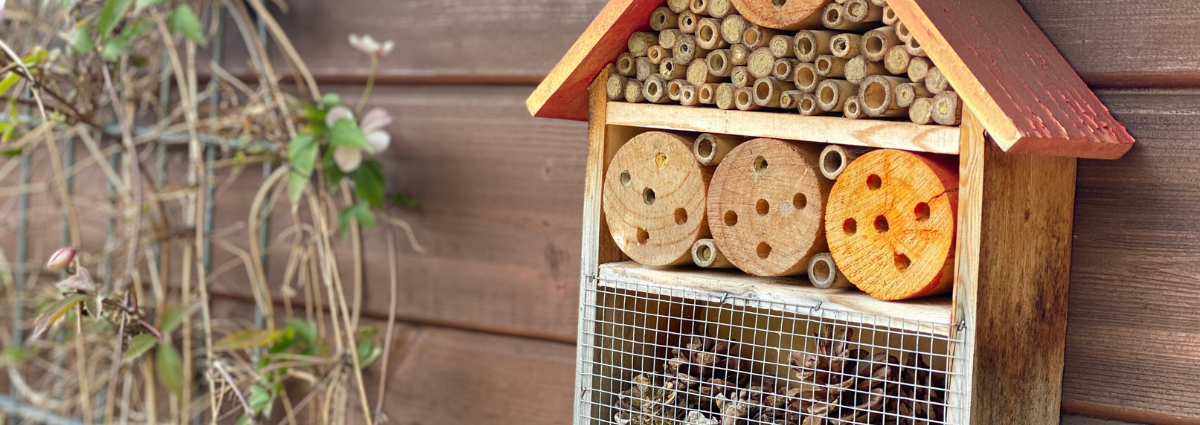
- Leaving some hollow plant stems standing through winter
- Adding a bee hotel or insect house
- Planting dense shrubs where butterflies can shelter
- Leaving small patches of bare soil for ground-nesting bees
Allowing a little “wildness” in your garden creates valuable habitat for pollinators.
8. Design with Beauty and Function
Pollinator gardens don’t have to look messy or untamed. With thoughtful design, they can be both vibrant and visually stunning.
Consider:
- Grouping flowers in drifts or clusters
- Mixing textures and heights for visual interest
- Creating curved garden beds for a natural feel
- Adding pathways so you can walk among the flowers and watch pollinators at work
A well-designed pollinator garden becomes a living landscape—constantly changing with the seasons and full of movement and colour.
9. Be Patient and Observe
Pollinator gardens often become more active over time. As plants mature and pollinators discover your garden, the number of visiting bees, butterflies, and birds will increase.
Spend time watching your garden throughout the day. You’ll begin to notice different pollinators visiting different plants, each playing a role in the delicate dance of nature.
10. Enjoy a Garden Full of Life
Creating a pollinator garden is one of the most meaningful ways to garden. Not only are you growing beautiful flowers—you’re helping support the delicate ecosystems that keep gardens, farms, and wild spaces thriving.
Soon your garden will be alive with buzzing bees, fluttering butterflies, and the gentle hum of nature at work. It’s a reminder that even small actions can make a powerful difference.
At Little Tree Garden Market, we love helping gardeners create spaces that support pollinators and biodiversity. Visit us for pollinator-friendly plants, seeds, and expert advice to build a garden that’s as beneficial as it is beautiful. Let’s grow something that truly matters.