
How to Guide: Grow Your Own
There’s nothing quite like the satisfaction of growing your own food. Whether it’s the crisp sweetness of homegrown lettuce, the scent of fresh basil, or the rich taste of a just-picked tomato, every harvest feels like a little miracle. Growing your own isn’t just about food—it’s about connecting to nature, nurturing something with your own hands, and enjoying the simple rhythm of the seasons.
No matter the size of your space—a sprawling backyard, a raised bed, or a few pots on your balcony—you can grow something wonderful all year round. The secret lies in understanding the rhythm of the seasons and making the most of what each one offers.
Getting Started: The Basics of Growing Your Own
Before diving into seasonal planting, it helps to understand a few fundamentals:
- Choose the right spot. Most vegetables and herbs need at least six hours of sunlight per day. Look for a bright, sheltered area protected from harsh winds.
- Start with good soil. Healthy soil is the foundation of a thriving garden. Mix in compost or organic matter to boost nutrients and improve texture.
- Water wisely. Deep, infrequent watering encourages strong roots, while light, frequent watering can lead to shallow root growth.
- Feed your plants. Use natural fertilisers or compost tea throughout the growing season to keep your plants nourished.
- Rotate crops. Moving your plants each year helps prevent soil depletion and reduces pests and diseases.
With these basics covered, you’re ready to enjoy growing your own food through every season.

What to Grow in Winter
Even in the coldest months, your garden doesn’t have to be dormant. While growth slows outdoors, there’s plenty you can do to keep growing.
- Indoors: Herbs like parsley, basil, mint, and thyme thrive on sunny windowsills. You can also grow leafy greens such as lettuce, spinach, and microgreens under grow lights. They’re quick, rewarding, and keep your meals fresh through the colder months.
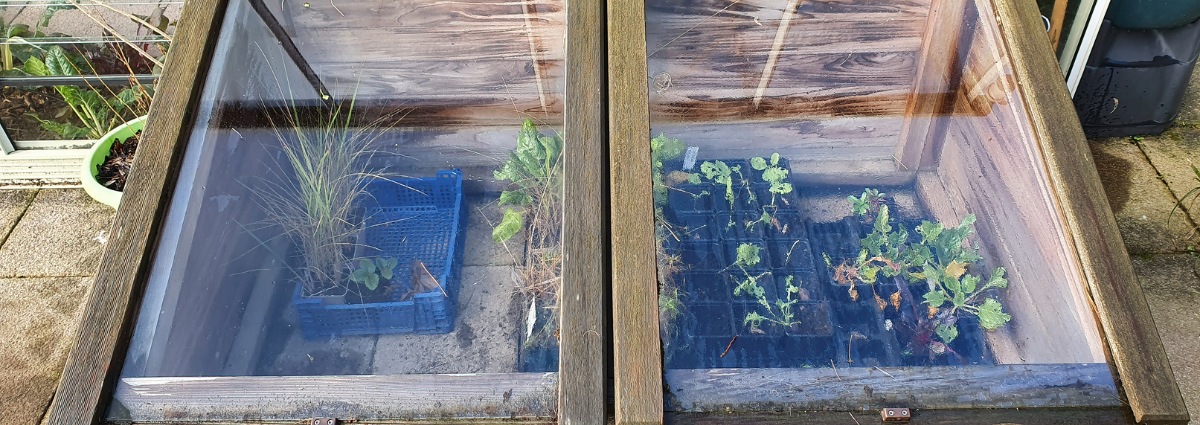
- Outdoors: If you have a cold frame or greenhouse, you can grow hardy crops like kale, Swiss chard, winter spinach, and Asian greens. These resilient plants tolerate frost and keep producing when most others can’t.
- Planning ahead: Winter is also prime time to plan next season’s garden, start early seeds indoors, and enrich your soil with compost so it’s ready for spring.
Even small efforts—like growing a pot of basil by the kitchen window—bring green life and warmth to winter days.
What to Grow in Spring
Spring is when everything bursts back to life. The soil warms, the days lengthen, and gardeners everywhere feel that familiar thrill of possibility.
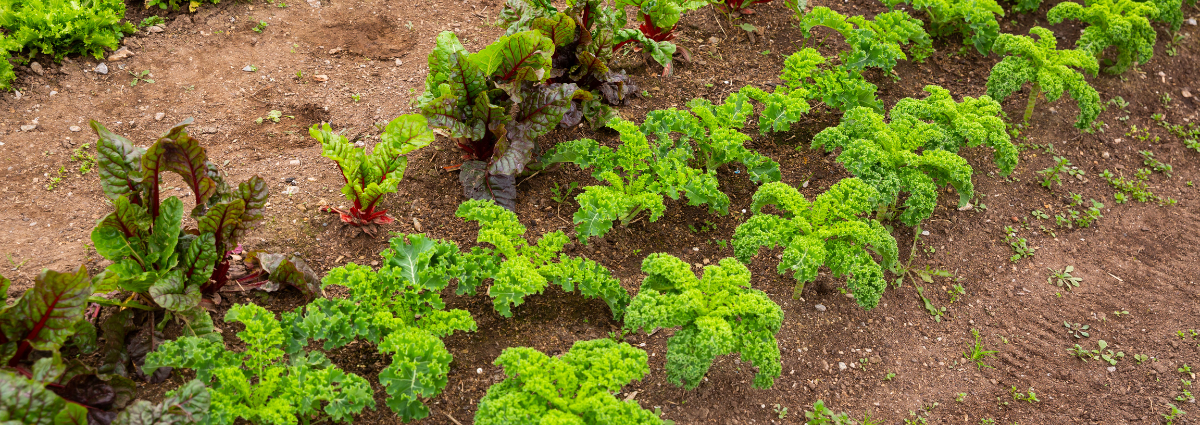
- Cool-season crops: Early spring is ideal for planting peas, radishes, spinach, lettuce, and carrots. These hardy vegetables thrive in mild temperatures.
- Herbs and flowers: Plant herbs like dill, chives, and cilantro, and add marigolds or nasturtiums to attract pollinators and deter pests naturally.
- Starting seeds: Many plants—such as tomatoes, peppers, and zucchini—can be started indoors while it’s still cool outside. Once the frost risk has passed, they can be transplanted into the garden.
- Soil prep: Spring is also the moment to turn over your soil, add compost, and remove weeds before planting begins in earnest.
Spring is full of potential—your garden will reward your early efforts with lush, vibrant growth.
What to Grow in Summer
Summer is the season of abundance, when your garden really shows off. Warm soil and long sunny days make it the best time to grow heat-loving crops.
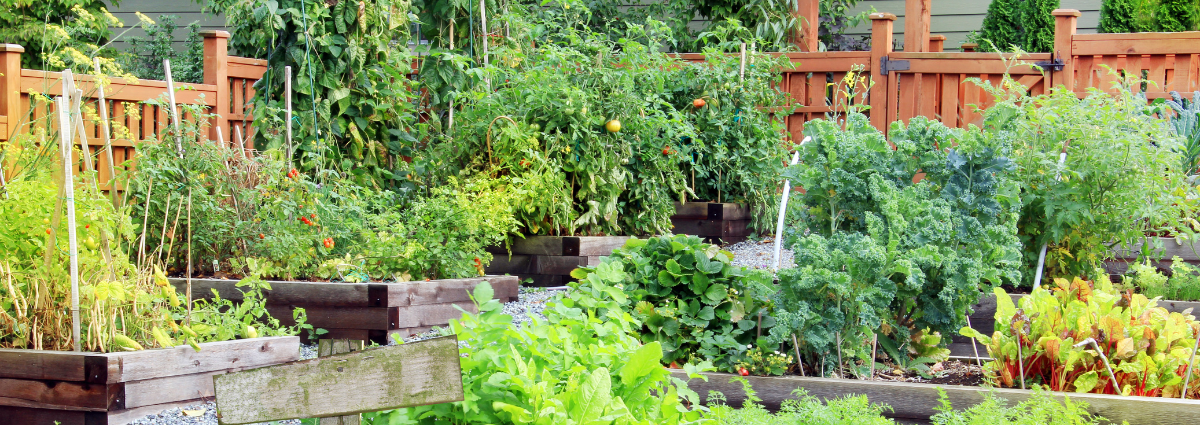
- Vegetables: Tomatoes, peppers, cucumbers, beans, zucchini, eggplant, and corn thrive in the warmth. Regular watering is key—especially during hot spells.
- Herbs: Basil, oregano, rosemary, and sage flourish in summer. Pinch off flower buds to keep your herbs leafy and productive.
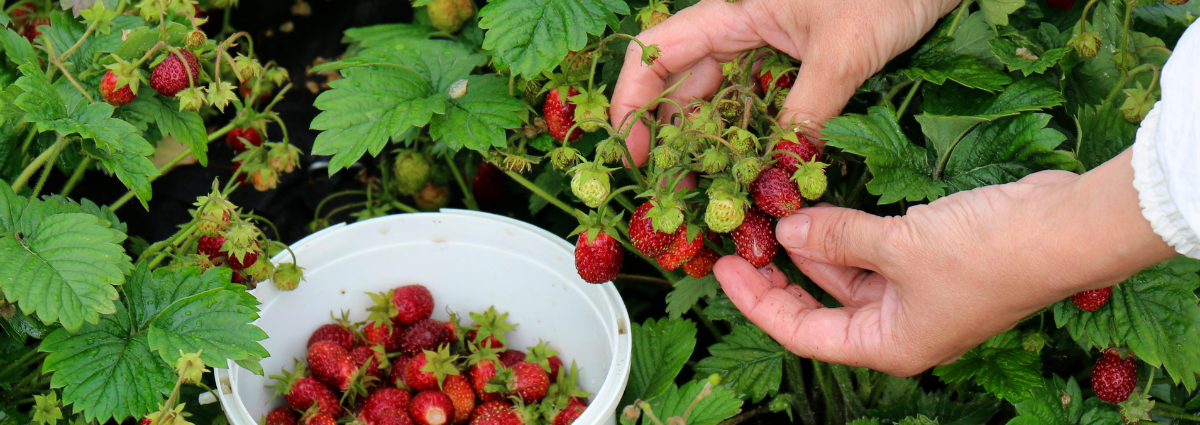
- Fruits: Strawberries, raspberries, and blueberries ripen beautifully in the summer sun.
- Maintenance: Keep an eye on weeds and pests—they grow fast this time of year. Mulch around plants to retain moisture and regulate soil temperature.
Harvest often! The more you pick, the more your plants produce. There’s nothing like gathering a bowl of sun-warmed vegetables for your evening meal.
What to Grow in Autumn
As the heat fades and the days shorten, your garden enters a slower, more reflective season—but it’s far from over. Autumn is an excellent time for cool-season crops and for preparing your soil for next year.
- Vegetables: Sow or plant hardy greens like kale, collards, and spinach. Root crops such as beets, carrots, and turnips also do well in cooler weather.
- Herbs: Parsley, cilantro, and chervil love the mild autumn climate.
- Garlic and onions: Autumn is the best time to plant these bulbs. They’ll overwinter in the soil and reward you with strong, healthy growth in spring.
- Soil care: After your harvests, add compost or manure to replenish nutrients. You can also plant a cover crop—like clover or rye—to protect and enrich your soil through winter.
Autumn gardening feels peaceful and purposeful. It’s the perfect way to end the year on a nurturing note.
Growing with the Seasons
Each season brings its own rhythm and rewards. Winter offers reflection and planning, spring brings renewal, summer overflows with abundance, and autumn teaches us to harvest and give back to the earth.
By tuning into this natural cycle, you’ll find joy in every stage of growing your own—whether you’re tending seedlings on your windowsill or harvesting baskets of produce from your backyard.
The Joy of Homegrown Fruit and Veg
Growing your own food connects you to the seasons, to nature, and to yourself. It reminds you of the simple power of patience and care—that with a little effort, a seed can become something extraordinary.
Whether you’re starting small with a few herbs or cultivating a full vegetable garden, the rewards go far beyond the harvest. Every sprout, bloom, and ripe tomato tells the story of your love for growing.
At Little Tree Garden Market, we believe anyone can grow their own—no matter their experience or space. Visit us for seeds, soil, planters, and expert advice to get started. Let’s make every season a growing season!