
How to Guide: Planning for Spring
When winter settles in and your garden lies quietly beneath a layer of frost, it’s easy to think that gardening season is on pause. But in truth, winter is one of the best times to be a gardener. While the ground rests, you can dream, design, and prepare for the most rewarding spring yet. Planning for spring during the winter months not only keeps your gardening spirit alive, it sets the stage for a thriving, well-organised garden when the snow finally melts.
Reflect on Last Year’s Garden
Every garden tells a story—of what flourished, what struggled, and what surprised you. Take time in winter to look back on the previous season.
Ask yourself:
- Which plants performed beautifully, and which ones didn’t quite make it?
- Did certain areas get too much sun or too little water?
- Were pests or diseases an issue?
- Did you wish you’d grown more of something—or less?
Keep a notebook or digital journal for your thoughts. These reflections will guide your choices for spring and help you create a smarter, more balanced garden layout.

Dream, Design, and Sketch Your Garden Plan
Winter is planning season—the time to dream big. With no weeds to pull or watering to do, you can let your creativity flow.
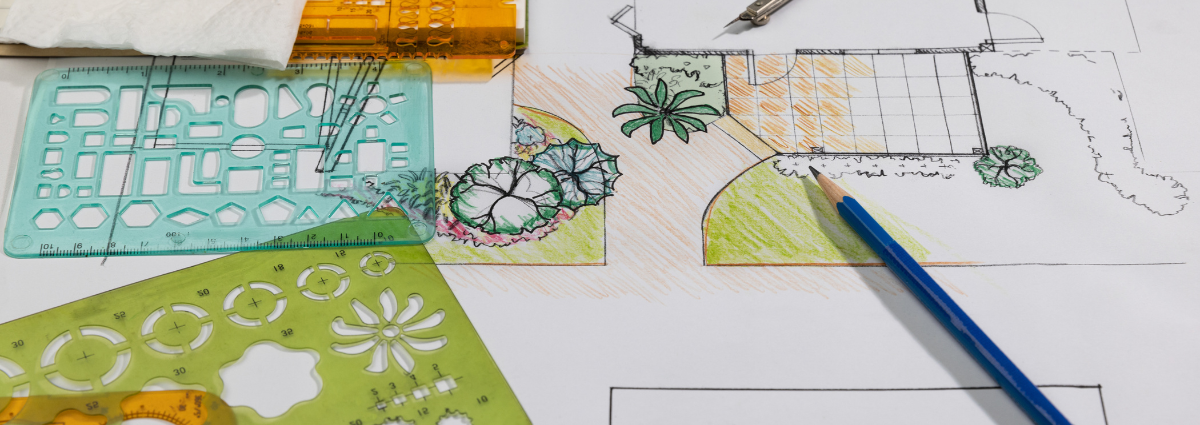
Start by sketching a simple layout of your garden beds. You don’t need to be an artist—just outline where your current plants are and where you might like to add something new. Consider:
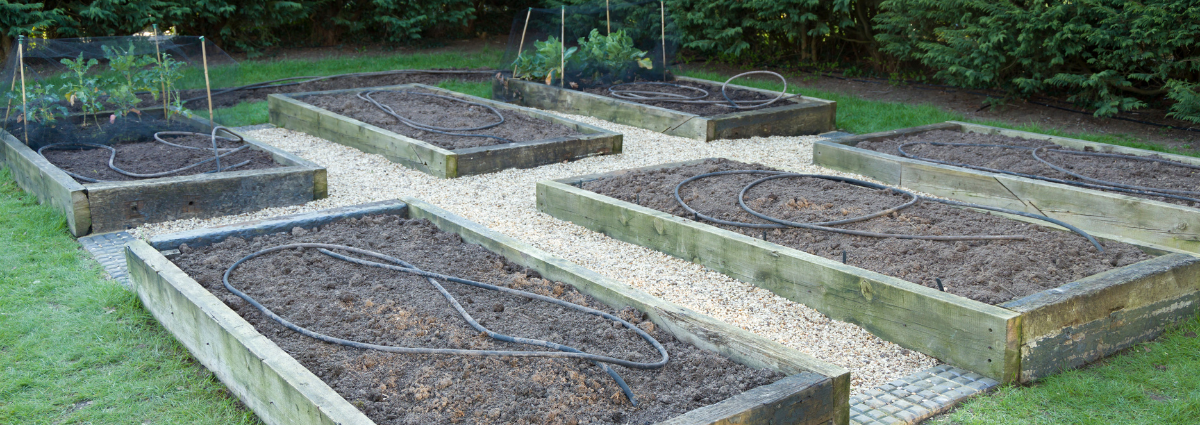
- Crop rotation: Move vegetables to different spots each year to keep your soil healthy.
- Companion planting: Pair plants that benefit each other (for example, basil near tomatoes or marigolds beside beans).
- Pollinator appeal: Plan for flowers that attract bees and butterflies to help boost your garden’s productivity.
You can even colour-code your plans—vegetables in green, herbs in blue, flowers in pink. It’s a fun way to visualise your spring garden coming to life.
Order Seeds Early and Explore New Varieties
Seed catalogues are a gardener’s version of a winter wonderland. Curl up with a cup of tea and browse through pages of possibilities.
Order seeds early—many of the most popular or heirloom varieties sell out fast. Look for new options that excite you, or reliable favourites you know will thrive. Pay attention to:
- Days to maturity: So you can plan what to start indoors and what to direct sow outside.
- Growth habits: Compact varieties are great for containers or small spaces.
- Pollinator-friendly picks: Include blooms that attract bees, butterflies, and hummingbirds.
Label your seed packets clearly and store them in a cool, dry place until you’re ready to plant.
Start Seeds Indoors for an Early Head Start
By mid to late winter, it’s time to bring a little green back into your life. Starting seeds indoors gives you a jump on the growing season and helps you grow strong, healthy plants ready to move outdoors when the frost passes.
You’ll need:
- Seed trays or small pots
- Good-quality seed-starting mix
- Grow lights or a sunny window
- A spray bottle for gentle watering
Follow the instructions on your seed packets for depth and timing. Many vegetables and flowers—like tomatoes, peppers, and marigolds—can be started indoors about 6–8 weeks before the last expected frost. Watching those first tiny sprouts push through the soil is pure winter magic.
Prepare Your Tools and Equipment
Spring comes fast, and when it does, you’ll want everything ready to go. Winter is the perfect time to clean, repair, and organise your garden tools.
- Sharpen blades on pruners, shears, and hoes.
- Clean pots and trays with warm, soapy water to remove lingering pests or diseases.
- Oil wooden handles to prevent cracking.
- Check hoses and watering cans for leaks.
You can also tidy your shed or potting bench—there’s nothing more satisfying than starting the season with everything in its place.
Enrich and Revive Your Soil
Healthy soil is the heart of every great garden. Even though it may be frozen on top, you can start preparing your soil during the winter months.
- Add compost or organic matter to beds before the freeze to let nutrients break down naturally.
- Test your soil’s pH so you’ll know what amendments to add come spring.
- Plan your mulching strategy—mulch helps retain moisture and suppress weeds once planting begins.
If you compost at home, keep turning and mixing your pile through winter (on milder days) so it’s ready to spread when the weather warms up.
Bring Nature Indoors for Inspiration
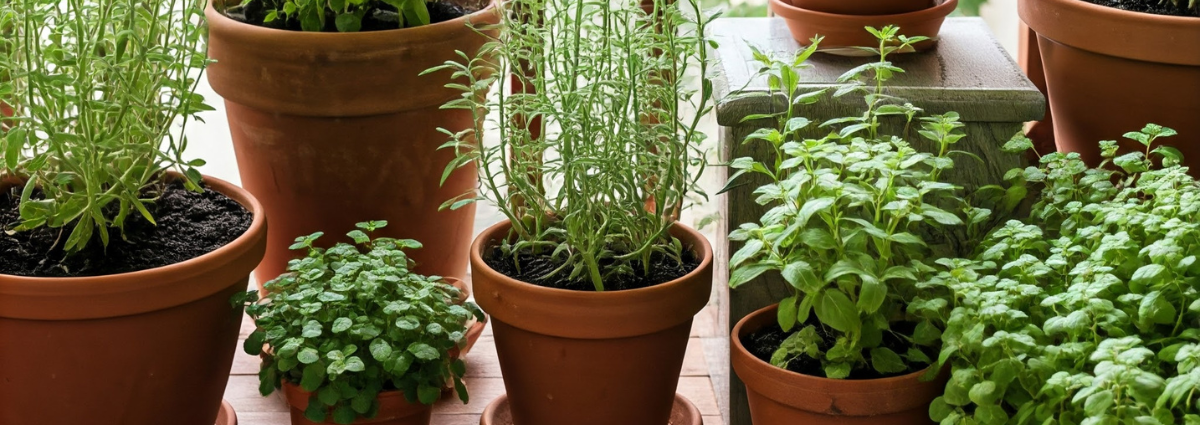
Winter can feel long and grey, so keep your gardening spirit alive indoors. Grow a few potted herbs or start a tabletop succulent collection. These little bursts of green will remind you that spring is on its way and keep you connected to your love of growing things.
Let Your Garden Dreams Bloom Early
Winter isn’t a break from gardening—it’s an invitation to plan with purpose and passion. The quiet months are when ideas take root. Whether you’re mapping out new flower beds, picking seeds, or tending seedlings on your windowsill, every small step builds excitement for the season ahead.
When spring finally arrives, you’ll be ready—your soil prepped, your seeds waiting, and your vision clear.
At Little Tree Garden Market, we love helping gardeners plan for success. Visit us for seeds, tools, soil, and expert advice to turn your winter daydreams into a flourishing spring garden. Because the best gardens aren’t just grown—they’re thoughtfully planned and lovingly prepared.