
How to: Protect Your Plants from Frost and Winter Damage
As temperatures begin to drop and the first frosty mornings arrive, it's time to give your garden a little extra attention. Winter can be a challenging season for plants, with freezing temperatures, heavy snow, icy winds, and fluctuating weather conditions all taking their toll. But with the right preparation, you can help your favourite plants survive the cold and return stronger than ever when spring arrives.
From protecting delicate roses and hydrangeas to keeping container plants safe from freezing temperatures, there are plenty of simple ways to prepare your garden for winter. Let's explore how to give your plants the protection they need to thrive year after year!
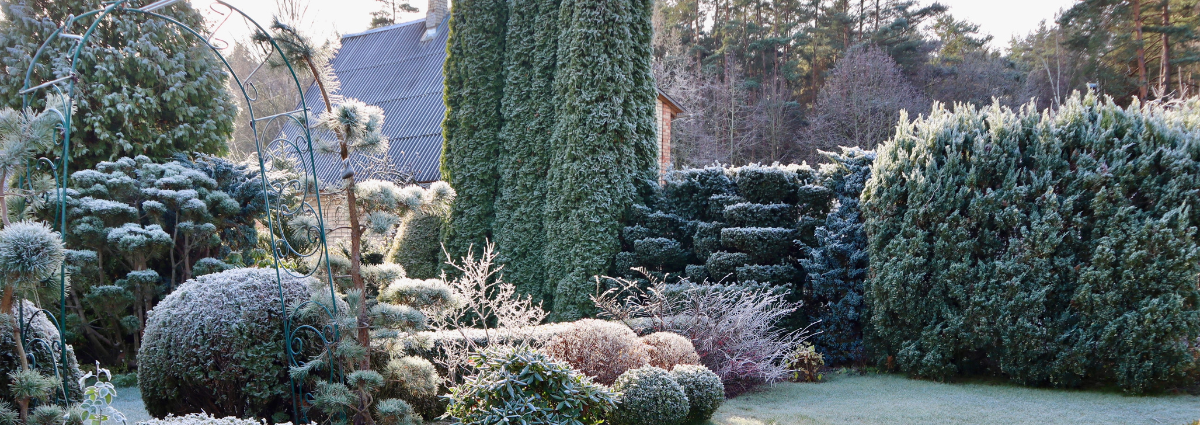
Why Winter Protection Matters
Not all plants respond to winter weather in the same way. While some trees, shrubs, and perennials are naturally adapted to freezing temperatures, others are more vulnerable to extreme cold and sudden temperature changes.
Winter damage can occur for several reasons:
- Freezing temperatures: Extremely low temperatures can damage roots, stems, and buds.
- Winter winds: Cold, dry winds can draw moisture from evergreen foliage, causing browning and dehydration.
- Heavy snow and ice: Accumulated snow and ice can bend or break branches.
- Freeze-thaw cycles: Repeated freezing and thawing can push shallow-rooted plants out of the ground.
- Winter sunshine: Bright sunlight combined with frozen soil can cause evergreen plants to lose moisture faster than their roots can replace it.
Fortunately, a few preventative measures can make a significant difference.
Protect Your Plants with Mulch
Mulching is one of the easiest and most effective ways to protect plants during winter. A layer of organic mulch helps insulate the soil, reducing temperature fluctuations and protecting vulnerable roots.
Apply approximately 5–10 cm of mulch around the base of shrubs, trees, and perennial plants. Shredded bark, wood chips, straw, and fallen leaves are excellent options.
For the best results, wait until the soil has cooled before applying winter mulch. Keep the material a few centimetres away from stems and tree trunks to prevent excess moisture from accumulating against them.
Mulching is particularly beneficial for plants such as roses, hydrangeas, hostas, and newly planted perennials.
Protect Evergreens from Winter Burn
Evergreen shrubs bring wonderful colour and structure to the garden throughout winter. However, plants such as boxwood, rhododendrons, and young cedars can experience winter burn.
Winter burn occurs when evergreen foliage loses moisture while frozen soil prevents the roots from replacing it.
To reduce the risk:
- Water evergreens thoroughly during dry autumn weather before the ground freezes.
- Apply mulch around the root zone to help maintain consistent soil temperatures.
- Install burlap windbreaks around plants exposed to strong winds.
- Avoid heavy pruning or fertilizing late in the growing season.
Remember that burlap should act as a protective screen rather than a tightly wrapped covering. Good airflow is important for healthy plants.
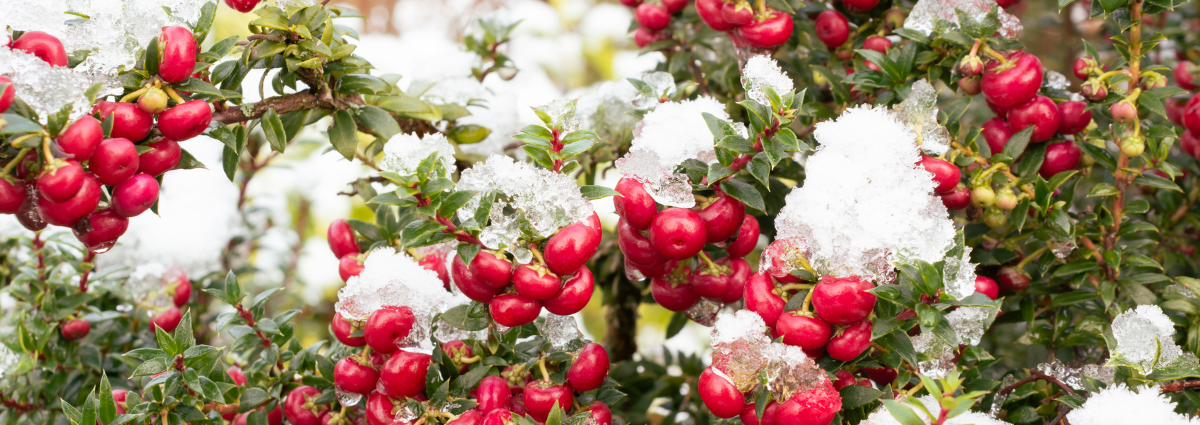
Don't Forget Your Container Plants
Plants growing in containers are especially vulnerable during winter because their roots have less insulation than plants growing directly in the ground.
Even cold-hardy perennials and shrubs can struggle when their roots freeze repeatedly in exposed pots.
If you have container-grown plants, consider moving them to a sheltered location, such as an unheated garage or shed, provided the temperature and light conditions suit the plant.
For containers that must remain outdoors, group them together in a protected area and insulate the pots with suitable materials. Make sure containers have adequate drainage and are made from frost-resistant materials.
Tender plants such as rosemary and certain ornamental grasses may need additional protection or indoor storage, depending on the variety.
Protect Young Trees and Shrubs
Recently planted trees and shrubs are still establishing their root systems, making them more sensitive to winter conditions.
Young trees may benefit from trunk guards to prevent damage from rabbits, rodents, and fluctuating winter temperatures. Remove or adjust guards as needed to prevent moisture buildup or restriction of growth.
For shrubs with delicate branches, loosely securing stems together can help reduce damage from heavy snow.
If snow accumulates on branches, gently brush away loose snow with an upward motion. Avoid trying to remove ice, as frozen branches are brittle and can break easily.
Avoid Common Winter Gardening Mistakes
Sometimes, protecting your garden is as much about what you don't do as what you do.
Avoid these common mistakes:
- Pruning plants heavily just before winter
- Applying excessive fertilizer late in autumn
- Wrapping plants too tightly in plastic
- Allowing container plants to sit in waterlogged soil
- Walking across frozen or snow-covered garden beds unnecessarily
Also, resist the temptation to remove all fallen leaves and plant stems. Some natural garden material provides valuable winter shelter for beneficial insects and wildlife.
Give Your Garden the Best Start Next Spring
Winter protection is an investment in your garden's future. A little preparation now can help reduce plant damage, preserve beautiful blooms, and encourage healthy growth when warmer weather returns.
Whether you're protecting a treasured rose bush, preparing young trees for their first winter, or moving container plants into shelter, every small step helps your garden face the colder months with confidence.
At Little Tree Garden Market, we're here to help you prepare your garden for whatever winter brings. Visit us for mulch, gardening supplies, seasonal plants, and expert advice on protecting your favourite trees, shrubs, and perennials. With a little care today, you'll be rewarded with a beautiful garden when spring arrives!