
How to Guide: How to Prune Trees and Shrubs in Early Spring
Early spring is one of the most important—and most satisfying—times to step into your garden with purpose. Before leaves fully emerge and new growth takes off, there’s a golden window of opportunity to shape, refresh, and strengthen your trees and shrubs. Pruning at the right time encourages healthier growth, better flowering, improved structure, and a more beautiful landscape overall.
If you’ve ever felt unsure about where to cut or worried about damaging your plants, don’t worry. With the right timing, tools, and techniques, pruning becomes less intimidating and far more empowering. Let’s walk through how to do it confidently and correctly.
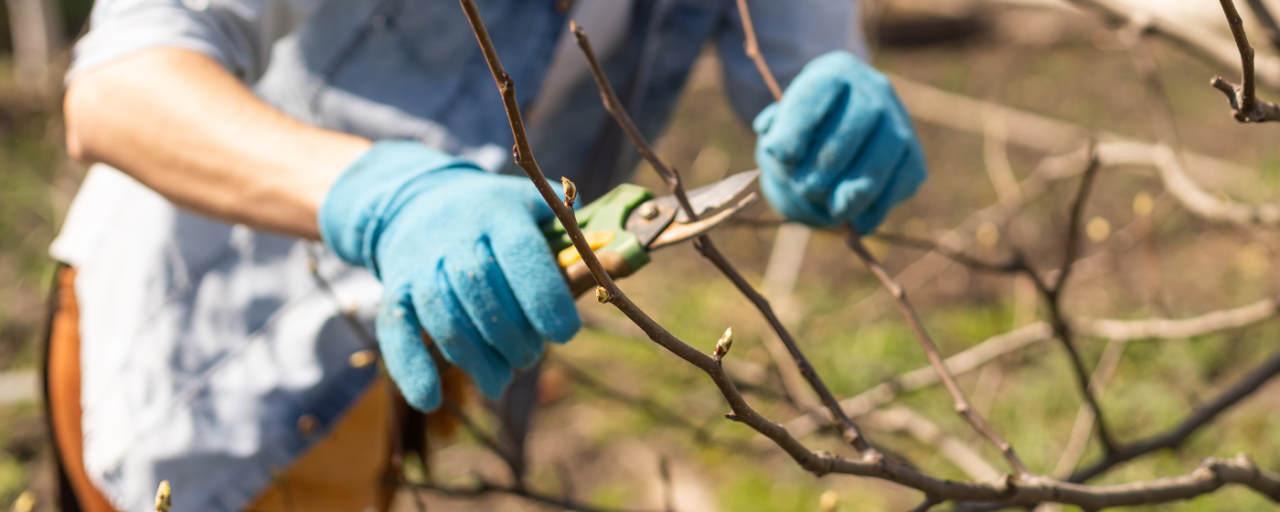
1. Why Early Spring Is the Ideal Time
Early spring—just before or as new growth begins—is perfect for pruning many trees and shrubs because:
- Plants are still dormant or just waking up.
- Branch structure is clearly visible before leaves fill in.
- Cuts heal quickly as growth resumes.
- You stimulate strong, healthy new shoots.
However, timing matters. Not all plants should be pruned in early spring. Knowing which ones to tackle now—and which to leave alone—is the first step to success.
2. Know What to Prune (and What to Wait On)
Prune in Early Spring:
- Summer-flowering shrubs (such as hydrangeas that bloom on new wood).
- Roses (once severe frost risk has passed).
- Fruit trees like apple and pear before bud break.
- Deciduous trees that benefit from structural shaping.
These plants bloom or grow on new wood, meaning pruning now encourages vigorous flowering and healthy branching later in the season.
Wait Until After Flowering:
- Spring-flowering shrubs such as lilacs, forsythia, and magnolias.
These bloom on old wood (last year’s growth). Pruning them now would remove this year’s flower buds. Instead, prune them immediately after they finish blooming.
Knowing this distinction is one of the most powerful pruning skills you can develop.
3. Gather the Right Tools
Using sharp, clean tools makes all the difference. Dull blades crush stems rather than making clean cuts, which can invite disease.
Essential tools include:
- Hand pruners (for branches up to 2 cm thick)
- Loppers (for thicker branches)
- Pruning saw (for larger limbs)
- Gardening gloves
- Disinfectant spray or rubbing alcohol
Always clean your blades between plants—especially if you suspect disease. Healthy cuts promote faster healing and stronger regrowth.
4. Start with the Three D’s
A simple rule to guide your first cuts: remove the Three D’s.
- Dead branches – brittle, dry, or clearly lifeless wood
- Damaged branches – cracked or split from winter weather
- Diseased branches – discoloured, oozing, or showing fungal growth
Cut back to healthy wood, making your cut just above a bud or branch junction. Removing these problem areas immediately improves plant health and redirects energy to strong growth.
5. Shape with Intention
Once you’ve removed unhealthy growth, step back and assess the overall shape.
For shrubs:
- Aim for an open centre to improve air circulation.
- Remove crossing branches that rub against each other.
- Thin crowded areas rather than shearing the outside only.
For trees:
- Maintain a strong central leader (main trunk) if appropriate.
- Remove competing vertical shoots.
- Keep branches evenly spaced for balanced structure.
Avoid removing more than one-third of the plant at a time. Heavy pruning can stress the plant and reduce flowering or fruiting.
6. Make Proper Cuts
Where and how you cut matters just as much as what you cut.
- Cut at a 45-degree angle, about 0.5 cm above an outward-facing bud.
- This encourages new growth to develop outward rather than inward.
- For larger branches, use the three-cut method to prevent bark tearing:
- Make a small cut underneath the branch.
- Cut from the top slightly farther out.
- Remove the remaining stub cleanly near the branch collar.
Clean cuts heal faster and reduce the risk of disease entry.
7. Special Tips for Roses and Hydrangeas
Roses:
- Prune to create an open, vase-like shape.
- Remove thin, weak stems.
- Cut back to healthy green wood.
Hydrangeas:
- Identify whether they bloom on old or new wood.
- For varieties that bloom on new wood, cut back to encourage strong flowering stems.
- For old-wood bloomers, limit pruning to shaping and removing dead growth.
- Taking a moment to identify your plant type prevents accidental flower loss.
8. Aftercare Matters
Once pruning is complete:
- Clean up debris to discourage pests and disease.
- Apply compost around the base of plants to support new growth.
- Water deeply if the soil is dry.
- Add mulch to regulate soil temperature and retain moisture.
Within weeks, you’ll see fresh buds swelling and new growth emerging—a sure sign your efforts are paying off.
9. Pruning Builds Confidence
Pruning might feel intimidating at first, but it’s one of the most rewarding gardening skills you can develop. Each cut shapes not only your plant but your confidence as a gardener. With practice, you’ll start to see structure more clearly and understand how plants respond.
Early spring pruning sets the tone for the entire growing season. Healthier plants, better blooms, stronger fruiting, and a beautifully structured garden all begin with thoughtful trimming.
At Little Tree Garden Market, we’re here to help you prune with confidence. From quality tools to expert advice, we’ll make sure your trees and shrubs are ready to thrive this season. Grab your gloves, sharpen those pruners, and give your garden the fresh start it deserves.