
How to Guide: How to replant successfully
One of the best things about gardening is that your garden isn't set in stone. Plants grow, gardens evolve, and sometimes life changes too. Perhaps you've redesigned a flower bed, discovered that a plant isn't thriving in its current location, or you're moving to a new home and want to bring your favourite plants with you. Whatever the reason, replanting is a fantastic way to give your plants a fresh start.
Many gardeners are surprised to learn just how many plants can be successfully moved. With the right timing and a little care, trees, shrubs, perennials, and even container plants can settle happily into a new home and continue to flourish for years to come.
Let's explore how to replant successfully and help your plants thrive wherever they grow.
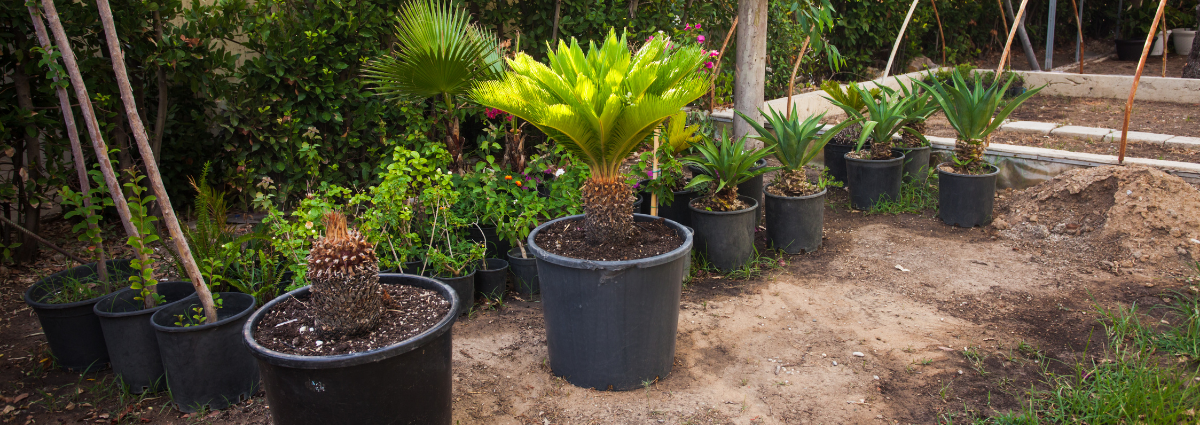
Why Replant a Plant?
There are many reasons why you might decide to move a plant.
Perhaps a once-small shrub has outgrown its space. Maybe a sunny flower bed has become shaded as nearby trees have matured. You may have started a plant in a container and now want to give it room to spread its roots in the garden.
Replanting can help plants:
- Receive the right amount of sunlight
- Gain more space to grow
- Improve flowering and fruit production
- Recover from poor soil conditions
- Become a better fit within a redesigned garden
And if you're moving house, replanting allows you to take cherished plants, sentimental favourites, and years of gardening memories with you.
Which Plants Can Be Replanted?
The good news is that many garden favourites transplant very well.
Popular plants that can often be moved successfully include:
- Hostas
- Daylilies
- Coneflowers
- Black-eyed Susans
- Peonies
- Lavender
- Hydrangeas
- Roses
- Boxwood shrubs
- Ornamental grasses
- Fruit bushes such as blueberries and raspberries
Even young trees like Japanese maples, crabapples, and flowering cherries can often be relocated when moved carefully.
The younger a plant is, the easier it generally adapts to a new location, but mature plants can often be moved successfully too.
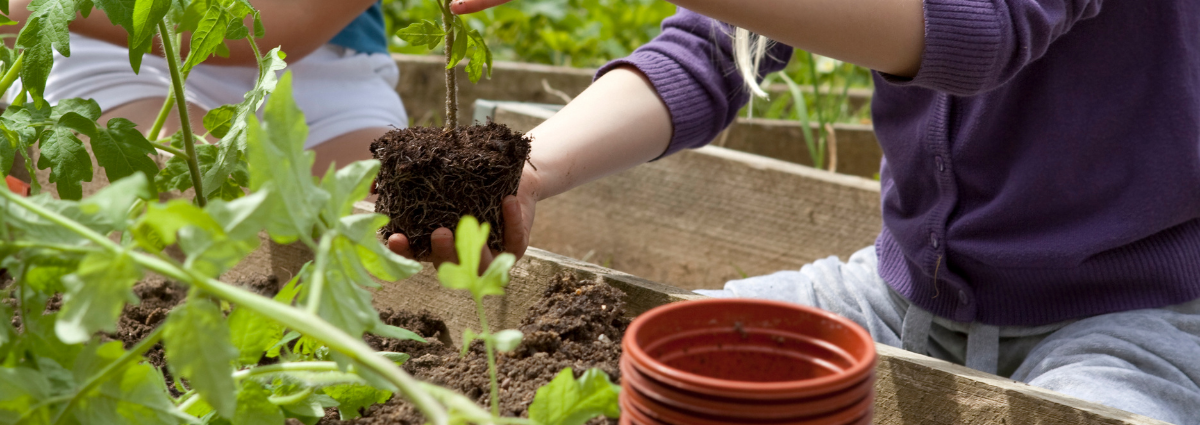
Moving Plants When You Redesign Your Garden
Gardens change over time, and that's part of the fun.
Perhaps you're creating a pollinator garden and need to relocate existing perennials. Maybe you're adding a patio or pathway and need to move some plants out of the way.
Before digging, spend some time planning.
Ask yourself:
- Does the new location have similar sunlight conditions?
- Is the soil suitable?
- Will the plant have enough room at maturity?
- Does the new spot offer good drainage?
Taking a little extra time to choose the perfect location helps reduce transplant shock and encourages strong future growth.
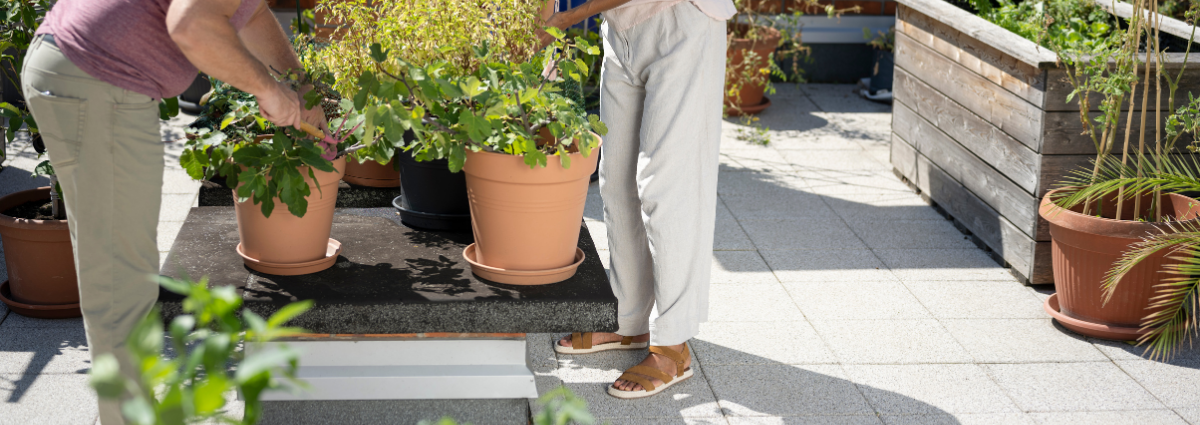
Taking Your Plants When You Move House
Moving home doesn't mean leaving your favourite plants behind.
Many gardeners take beloved plants with them, especially those that hold sentimental value. A rose planted by a grandparent, a hydrangea that blooms beautifully every year, or a peony that's been in the family garden for decades can often make the journey successfully.
A few weeks before moving day:
- Water plants deeply
- Prepare their new planting locations if possible
- Dig as large a root ball as practical
- Transport plants carefully to avoid root damage
Once replanted, water thoroughly and monitor them closely during their first growing season.
It's a wonderful way to bring a piece of your old garden into your new one.
Moving Plants from Pots into the Garden
Many gardeners start with container plants before eventually giving them a permanent home in the ground.
Plants commonly moved from pots into garden beds include:
- Lavender
- Salvia
- Hostas
- Coral bells
- Hydrangeas
- Roses
- Ornamental grasses
- Fruit bushes
- Herbs such as thyme, sage, and oregano
Before planting, gently remove the plant from its container and inspect the roots.
If roots are tightly wound around the root ball, carefully loosen them with your fingers. This encourages roots to grow outward into the surrounding soil rather than continuing to circle.
Dig a hole approximately twice as wide as the root ball but no deeper. Position the plant at the same depth it was growing in the pot and backfill with soil.
Water thoroughly after planting to help eliminate air pockets and encourage root establishment.
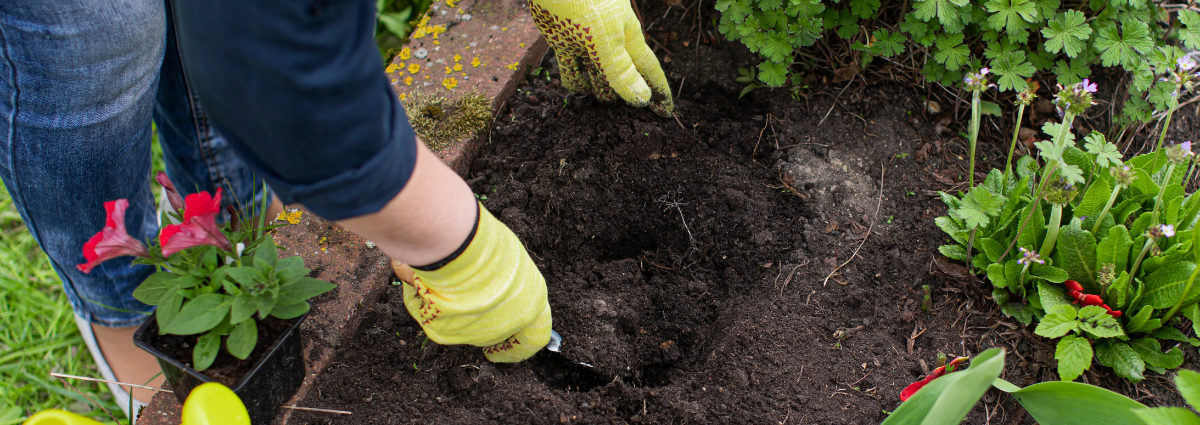
Top Tips for Successful Replanting
- Choose the Right Time
Cool, cloudy days are ideal for replanting. Avoid moving plants during periods of extreme heat or drought whenever possible. Spring and early autumn are often excellent times for transplanting because temperatures are milder and plants experience less stress.
- Water Before and After Moving
A well-hydrated plant handles transplanting much better than a dry one. Water thoroughly the day before moving and again immediately after replanting. Continue watering regularly while the plant establishes itself in its new location.
- Dig Wide, Not Deep
When lifting a plant, try to preserve as much of the root system as possible. The larger the root ball you can safely keep intact, the greater the chances of success.
- Add Compost
Mixing compost into the planting area helps improve soil structure, boosts nutrient levels, and encourages healthy root growth. Your plant will appreciate the extra support while settling into its new home.
- Mulch for Protection
Adding a layer of mulch around newly replanted plants helps retain moisture, regulate soil temperature, and reduce weed competition. Just be sure to keep mulch a few centimetres away from the stem or trunk.
- Be Patient
It's normal for transplanted plants to look a little unhappy at first. Some may droop or pause growth temporarily while they adjust.
- Give them time.
With proper watering and care, most plants recover beautifully and reward you with healthy new growth.
Give Your Plants a Fresh Start
Replanting is one of the most valuable gardening skills you can learn. Whether you're redesigning your landscape, moving to a new home, or finally giving a container-grown plant the space it deserves, replanting allows your garden to grow and evolve alongside you.
With careful planning, gentle handling, and a little patience, your favourite plants can thrive in their new surroundings and continue bringing beauty to your garden for years to come.
At Little Tree Garden Market, we're passionate about helping gardeners create thriving outdoor spaces. From quality soil and mulch to beautiful trees, shrubs, perennials, and expert advice, we're here to help every plant find its perfect home.