
How to Guide: How to Revive Your Lawn After Winter
After a long winter, your lawn may look a little tired. Snow, frost, compacted soil, and months without sunlight can leave grass looking patchy, dull, or flattened. The good news? With the right care in early spring, your lawn can bounce back beautifully and become lush, green, and healthy again.
Reviving your lawn after winter isn’t about quick fixes—it’s about giving your grass the conditions it needs to recover and grow strong. With a few simple steps and a bit of patience, you’ll soon see fresh green blades replacing winter’s wear and tear.
1. Start with a Gentle Clean-Up
Before doing anything else, give your lawn a light clean-up. Over winter, lawns often accumulate debris such as fallen branches, leaves, and leftover mulch. This debris blocks sunlight and prevents air from reaching the soil.
Use a leaf rake or lawn rake to gently remove:
- Dead leaves
- Twigs and small branches
- Any remaining garden debris
Raking also helps lift flattened grass blades and encourages air circulation. Be gentle, especially if the soil is still wet or soft—working the lawn too aggressively can damage fragile early growth.

2. Wait for the Right Soil Conditions
One of the most common mistakes gardeners make in early spring is rushing onto the lawn while the soil is still soggy. Walking on wet grass can compact the soil, making it harder for roots to grow and absorb nutrients.
A simple test: step lightly on the lawn. If the ground feels soft or water rises to the surface, it’s best to wait a little longer before working on it.
Patience in early spring helps prevent long-term lawn problems later in the season.
3. Rake to Remove Thatch
Once the lawn begins to dry out, it’s time for a more thorough raking. This step removes thatch, the layer of dead grass, roots, and debris that can build up at the soil surface.
A thin layer of thatch is normal, but too much can:
- Block water and nutrients
- Prevent new grass from growing
- Encourage pests and disease
Using a dethatching rake or sturdy leaf rake, gently pull through the grass to loosen and remove this layer. This also stimulates the grass plants and encourages fresh growth.
4. Repair Bare or Damaged Spots
Winter can leave behind bare patches caused by snow mould, salt damage, or heavy foot traffic. Early spring is a great time to repair these areas.
Here’s how:
- Loosen the soil in the bare patch with a rake.
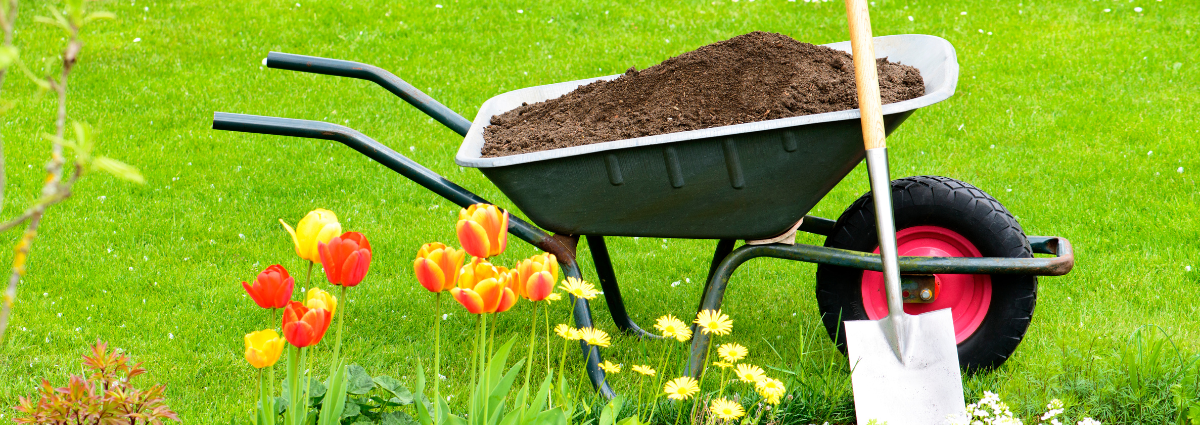
- Spread a thin layer of fresh topsoil or compost.
- Sprinkle grass seed evenly over the area.
- Lightly rake the seed into the soil.
- Keep the area moist until the new grass establishes.
Choose a grass seed mix suited to your lawn’s conditions—whether it’s sun, shade, or high-traffic areas.
5. Aerate Compacted Soil
Winter snow and repeated freezing and thawing can compact soil, making it difficult for grass roots to grow deeply. Aeration helps relieve this compaction and allows water, air, and nutrients to reach the root zone.
There are two main ways to aerate:
- Manual aeration: Using a garden fork or aeration tool to create small holes in the soil.
- Core aeration: Removing small plugs of soil with a specialised tool or machine.
Aerating improves root health and encourages thicker, stronger turf over time.
6. Feed Your Lawn for Healthy Growth
After months of dormancy, your lawn will benefit from a boost of nutrients. Applying a balanced spring fertiliser supports new growth and helps the grass recover from winter stress.
Look for fertilisers designed specifically for spring lawn care. These typically provide:
- Nitrogen for green growth
- Phosphorus for strong root development
- Potassium for overall plant health
Apply fertiliser evenly and follow the instructions carefully. Too much fertiliser can harm the lawn rather than help it.
7. Overseed for a Thicker Lawn
Even if your lawn doesn’t have obvious bare patches, overseeding can dramatically improve its overall health and appearance. This process involves spreading fresh grass seed across the existing lawn to fill in thin areas and increase density.
Benefits of overseeding include:
- A fuller, thicker lawn
- Improved resistance to weeds
- Better tolerance to drought and heat
For best results, overseed after dethatching or aerating so the seeds can make direct contact with the soil.

8. Start Mowing at the Right Time
When the grass begins actively growing again, it’s time to bring out the mower. However, avoid cutting the lawn too short.
A good rule is to remove no more than one-third of the grass blade at a time. Keeping grass slightly longer helps:
- Strengthen root systems
- Retain soil moisture
- Naturally suppress weeds
Make sure your mower blades are sharp—clean cuts promote healthier grass.
9. Water Wisely
Spring usually brings natural rainfall, but during dry periods your lawn may still need watering.
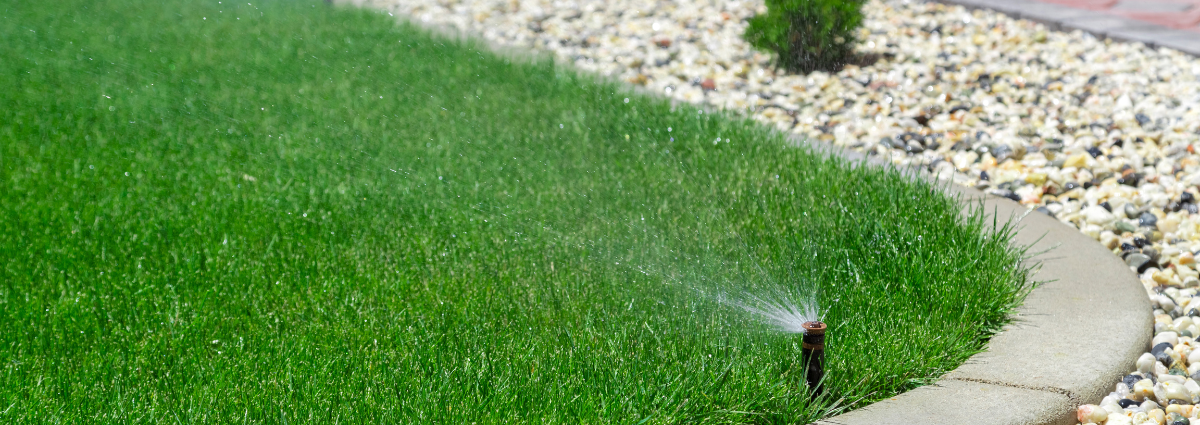
Deep, infrequent watering encourages roots to grow deeper into the soil, making your lawn more resilient during summer heat. Early morning watering is best, as it reduces evaporation and allows the grass to dry before evening.
10. Enjoy the Transformation
Reviving your lawn after winter is one of the most satisfying spring garden projects. What begins as a tired, patchy lawn gradually transforms into a vibrant carpet of green.
With thoughtful care—cleaning, aerating, feeding, and overseeding—you’ll give your lawn the strong foundation it needs for the entire growing season.
Soon enough, those fresh green blades will invite you outside again, whether it’s for backyard gatherings, garden strolls, or simply enjoying the view from your patio.
At Little Tree Garden Market, we’re here to help you bring your lawn back to life. From premium grass seed and fertilisers to expert advice, we’ll help you grow a lawn that’s healthy, resilient, and beautifully green all season long.