
How to Guide: How to Water Your Garden Properly in Summer
Summer is a wonderful time in the garden. Flowers are blooming, vegetables are producing, and everything seems to be growing at full speed. But with higher temperatures and longer days comes one of the biggest challenges for gardeners: watering properly.
It might sound simple, but watering is about much more than turning on a hose. Too little water can stress plants, while too much can lead to weak roots, disease, and wasted resources. Learning how to water correctly can make a huge difference to the health and beauty of your garden.
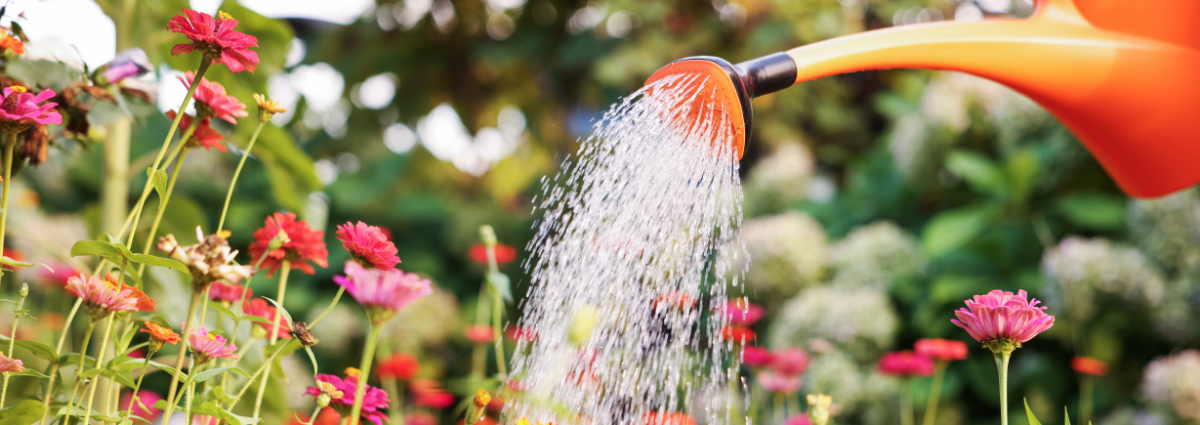
Why Proper Watering Matters
Water helps plants absorb nutrients, maintain structure, and produce flowers, fruits, and foliage. During summer, moisture evaporates more quickly, meaning plants often need extra attention.
Proper watering helps:
- Encourage deep, healthy roots
- Improve flowering and harvests
- Reduce plant stress
- Increase drought tolerance
- Keep lawns, vegetables, and flowers looking their best
A well-watered garden is a thriving garden.
Water Early in the Morning
The best time to water is early in the morning.
During the cooler hours of the day:
- Less water evaporates
- Plants have time to absorb moisture before the heat arrives
- Foliage dries quickly, reducing the risk of disease
Avoid watering during the hottest part of the day when much of the water is lost to evaporation.
Water Deeply, Not Frequently
One of the most common gardening mistakes is shallow watering.
Light watering only moistens the surface, encouraging roots to stay near the top of the soil. This makes plants more vulnerable to heat and drought.
Instead:
- Water slowly and deeply
- Allow moisture to penetrate several centimetres into the soil
- Water less often but more thoroughly
Deep roots create stronger, healthier plants.
Know Which Plants Need More Water
Different plants have different needs.
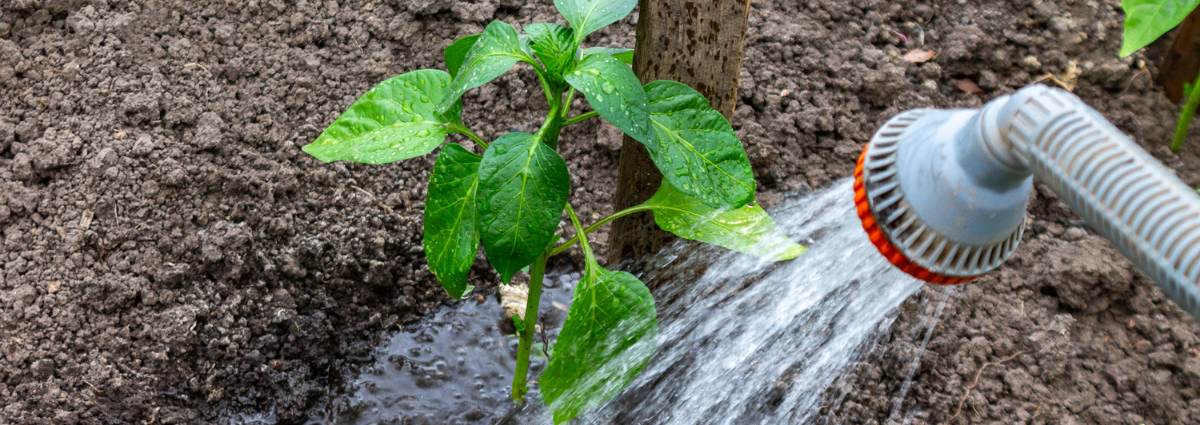
- Vegetables such as tomatoes, cucumbers, peppers, squash, and lettuce generally require consistent moisture to produce their best harvests.
- Container plants often need watering more frequently because pots dry out much faster than garden beds.
- Established trees, shrubs, and drought-tolerant perennials usually require less frequent watering once their roots are well developed.
Mulch Is Your Best Friend
A layer of mulch can dramatically reduce water loss.
Organic mulches such as bark, straw, or shredded leaves help:
- Retain soil moisture
- Reduce evaporation
- Suppress weeds
- Keep soil temperatures cooler
Adding mulch around plants is one of the easiest ways to make summer watering more effective.
Watch for Signs of Thirst
Plants often tell you when they need water.
Look for:
- Wilting leaves
- Drooping stems
- Dry soil several centimetres below the surface
- Yellowing or browning leaf edges
Regular observation helps you respond before plants become stressed.
Make Every Drop Count
Watering wisely doesn't just benefit your plants—it helps conserve water too.
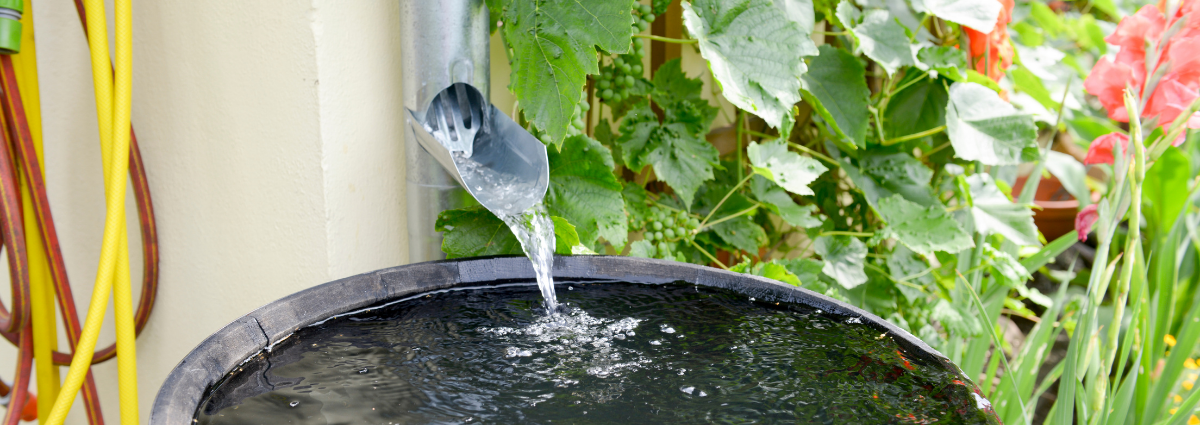
Use watering cans, soaker hoses, or drip irrigation systems whenever possible. These methods deliver water directly to the roots where it's needed most.
Enjoy a Healthy Summer Garden
When you understand your plants' watering needs, summer gardening becomes easier and more rewarding. With deep watering, good timing, and a layer of mulch, you'll enjoy healthier flowers, tastier vegetables, and a garden that stays beautiful all season long.
At Little Tree Garden Market, we're here to help you keep your garden thriving through the warmest days of the year. Visit us for watering tools, mulch, plants, and expert advice to help your garden flourish.