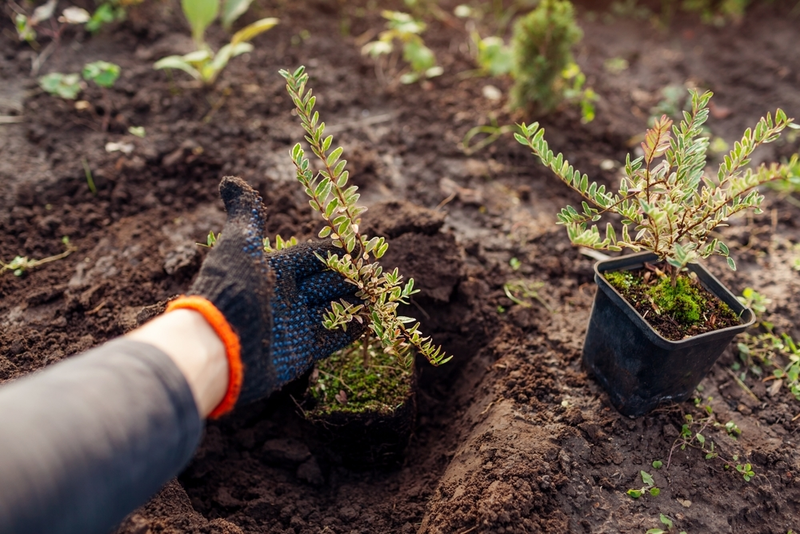
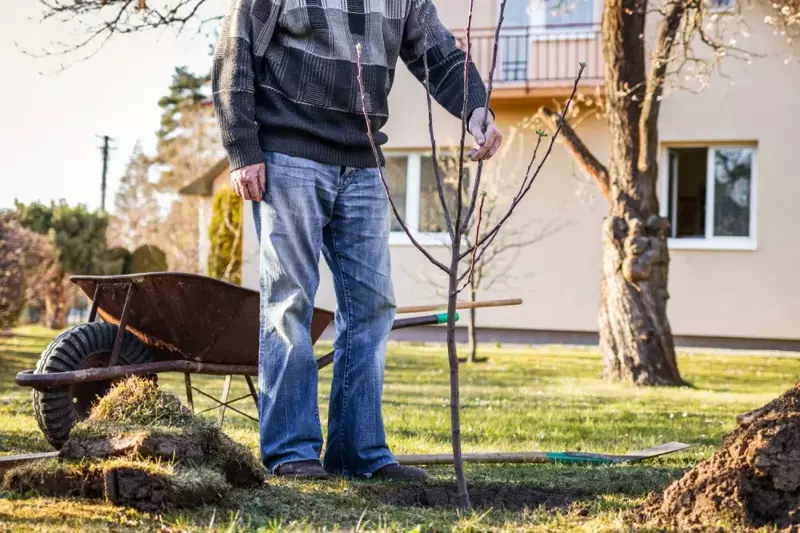
Planting a tree in your garden gives it a whole new dimension, adding height and structure. You can plant trees at any time of year, but winter is the ideal time for planting, giving them a great start. Here's why you should plant a tree in winter. Please visit our garden centre, we have a wide range of beautiful trees, from small to large.
Why Winter is a Good Time to Plant Trees
Deciduous trees drop their leaves in autumn and are dormant in winter, with only their roots doing any growing, so planting them now gives time for the roots to settle in before the trees start putting on leaves again in spring. Evergreen trees grow more slowly in winter but keep their leaves, so they will need to take up more water than deciduous trees through the winter months. This isn't usually a problem, as winter rains mean trees planted at this time of year need far less watering than trees planted in summer.
Planting Bare-Root Trees in Winter
Bare root trees are trees sold with no soil on the roots, making them easier to transport and, therefore, cheaper than container-grown trees. If you're planning on planting several trees, such as in an orchard or a new garden, bare-root trees are a cost-effective choice. Bare root trees are only available in winter.
Tips On Planting Trees in Winter
-
You can plant trees any time in winter, provided the ground isn't waterlogged or frozen.
-
Plant bare-root trees as soon as possible after receiving them so their roots don't dry out. If you can't plant a bare root tree straight away, you can store it for up to a week in a cool, dry place with the roots wrapped in damp newspaper. Suppose you need to keep it for several weeks before planting (for example, if the ground is frozen or covered in snow), plant it temporarily in a large pot or bucket filled with compost, watering enough to keep the compost moist. Before planting your bare root in the ground, stand it with its roots in a bucket of water for a couple of hours to rehydrate.
-
Dig a square hole for your tree when planting it. This encourages the roots to spread out as they reach the corners of the spot rather than growing in a circle as they often do in a round hole.
-
Small trees may not need staking, but large or top-heavy trees should be staked to keep them stable while establishing their root systems. Place the stake on the windward side of the tree so that the prevailing wind (usually from the west in northwest Europe and the British Isles) will blow the tree trunk away from the stake.
If you're looking for a new tree for your garden, come in and see our wide range of deciduous and evergreen trees. You'll find everything you need for your garden in our centre!