February’s all about getting the garden ready for spring. It’s time to prune those shrubs, get those beds ready for planting, and sort out that pile of seed packets. Spend some time getting things organized now, and you’ll reap the benefits in a month or two. Here are our top 15 gardening tips for February.
Top 15 Gardening Tips for February
-
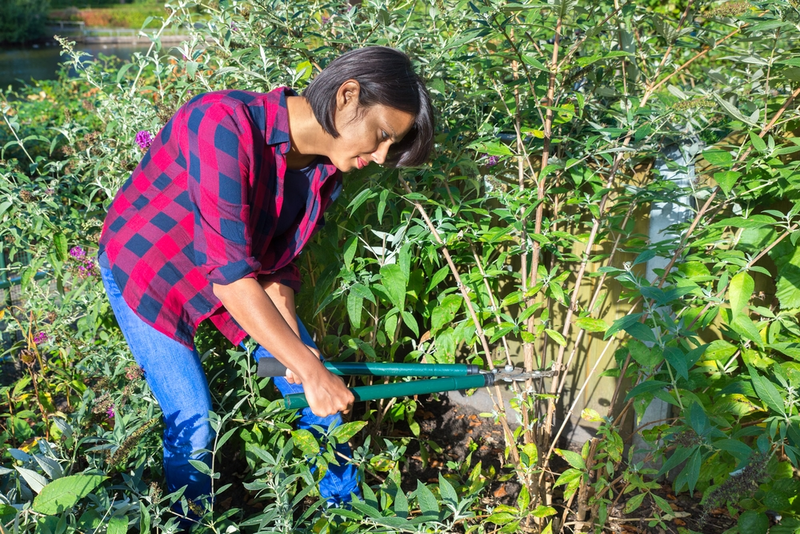
Prune Buddleja and Fuchsia, cutting Buddleja stems back to 30cm above ground level. On Fuchsias, prune last year’s growth to two buds from the main woody framework.
-
Wisteria gets pruned twice a year, in summer and winter, and now’s the time for winter pruning. Cut back all last year’s growth to two or three buds from the main framework.
-
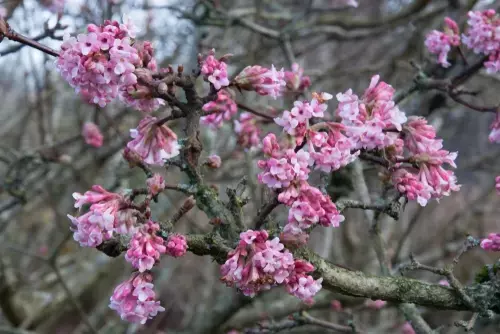
Prune winter-flowering shrubs like Mahonia and Viburnum once they have finished flowering to keep them to size.
-
Cut back shrubby dogwood (Cornus sanguinea) and willow (Salix) to about 15cm (6in) above ground level. This encourages them to produce new, brightly coloured young stems, which will look great in the garden next winter.
-
Group 3 (late-flowering) Clematis should be pruned now. Cut back all the stems to 30cm (12in) above ground level.
-
Autumn fruiting raspberries are easy to prune – cut down all stems to ground level this month before the new growth appears.
-
Prune shrub roses, remove all dead, damaged, or crossing branches and cut the main stems by half. When pruning, always cut just above an outward-facing bud.
-
Cut back deciduous grasses like Deschampsia and Calamagrostis, removing last year’s dead leaves before the new growth appears. (Miscanthus is slower to start growing, so leave this for another month.)
-
Comb through evergreen grasses like Carex and Festuca with your hands to remove any dead leaves. Always wear gardening gloves when doing this to protect your fingers from cuts.
-
Epimediums will start flowering soon, so cut back the heart-shaped leaves now so that you can appreciate the delicate flowers when they appear. This also encourages a flush of fresh new leaves.
-
Chit first early potatoes by placing them in a bright, excellent, frost-free spot indoors so that they can produce shoots. They should be ready to plant in mid to late March.
-
Prepare vegetable beds for early sowings by covering the soil with black plastic or fleece to warm it up.
-
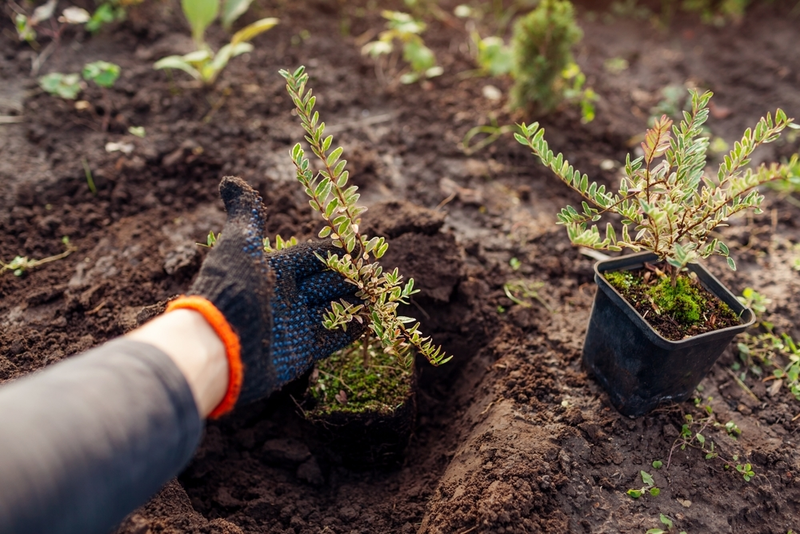
Plant trees and shrubs, provided the ground isn’t waterlogged or frozen.
-
Lift and divide snowdrops once they’ve finished flowering, and replant the clumps to spread them around your garden.
-
Clean your pots and seed trays ready for sowing, and stock up on seeds and compost.
If your garden requires a boost after winter, visit our centre, where you’ll find plenty of plants, seeds, and gardening tools to get it back in shape!