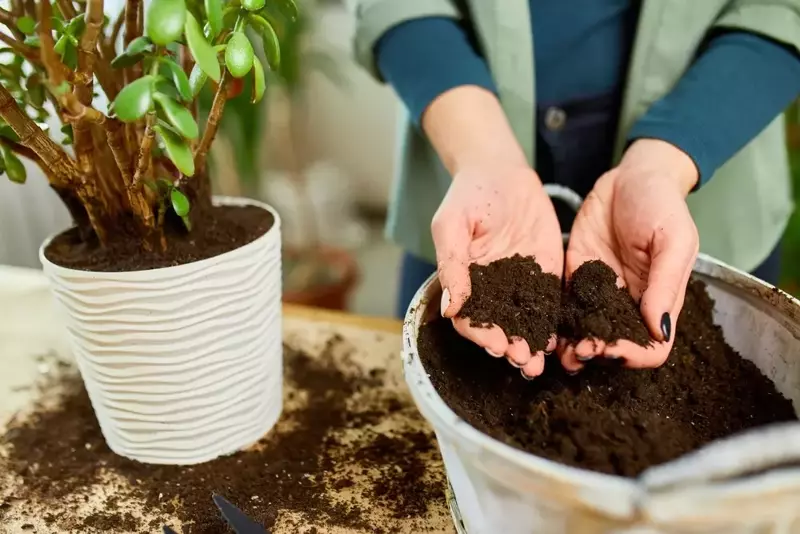
Finding the best soil for indoor plants can seem like a tricky task but these tips will help you to make sure your houseplants are happy in the soil they are potted in. There are a few different options to choose from, so this guide will help. Remember that all houseplants will have different needs. No matter what soil they are planted in, if the plant is in an unfavourable position, it might not thrive. Always check the label and be sure to know what your plant needs.
Houseplant Compost
The most obvious and popular is the houseplant compost you can buy in store. These will ensure your houseplants get just what they need by means of nutrition, well-drained matter, and in a bag that will be easy to store. You will find general houseplant compost and orchid bark, even compost specifically mixed for cacti and succulents. Look out for soil specifically for carnivorous plants, as well.
Perlite Mix
Perlite is really good for houseplants as it provides a well-drained and aerated soil for the roots. The majority of houseplants prefer well-drained soil. You can mix perlite in with compost or mix it with coco coir and vermiculite. There are various ways of using it, including when you take cuttings for propagation.
Horticultural Grit
Another way to ensure drainage is to use houseplant compost and mix in some horticultural grit. This can be especially useful for cacti and succulents that need very good drainage. Just mix some horticultural grit in to make gritty soil with good drainage. This will help improve the soil for your houseplants and keep them thriving.
Keep an Eye on the Top Layer
When you have potted your houseplant, you need to keep an eye on the top layer of soil. You may find the top layer of soil becomes white or gets little bugs. This can be due to poor or damp soil. You can add a layer of horticultural grit on top, stones of any kind, or other available products, like broken shells. If you experience problems with your top layer, please ask our staff members at the garden centre for help. They can give you advice on what you should do.
Replenish Nutrients
Most soils contain nutrients for the first six weeks. After that, your plants will need to have some new nutrients after using up everything in the new soil. Most plants won’t need repotting every year and if they do, it is best to do it in spring. Throughout the rest of the year, let your plants rest for winter and begin feeding them weekly with fertilizer from spring throughout summer. This will ensure the soil is replenished with nutrients to keep your plants thriving.
We're happy to help you choose the right potting soil, houseplant compost, and horticultural grit. Check out our finest houseplant range when you visit us in store.